


Transform Your Space: The Aesthetic and Impact of Fireplaces in High-Ceiling Interiors

Fireplaces have long been a focal point in interior design, offering warmth and a sense of comfort. Beyond their practical use, fireplaces serve as powerful statement pieces that can define the character of a room. This is especially true in homes with high ceilings, such as those soaring up to 24 feet, where the right fireplace design can anchor the space and create a stunning visual impact. Drawing from my experience as a Florida interior designer, I will explore how fireplaces enhance interiors, share tips for integrating them into high-ceiling rooms, and discuss the transitional style fireplace I am currently working on. Whether you are searching for that "interior design near me" to help out or simply looking to elevate your space on your own, this guide will inspire you to consider fireplaces as a key element in your decorating journey.

The Aesthetic Appeal of Fireplaces in Various Styles
Fireplaces come in many styles, each bringing a unique mood and personality to a room. From rustic stone hearths to sleek contemporary designs, the fireplace you choose can set the tone for your entire interior.
Traditional fireplaces often feature brick or carved wood mantels, evoking a classic and cozy atmosphere.
Modern fireplaces use clean lines, glass, and metal to create a minimalist and sophisticated look.
Transitional fireplaces blend traditional and modern elements, offering versatility and timeless appeal.
The transitional style fireplace is particularly popular in older homes because it balances warmth and elegance without feeling dated or overly trendy for the actual home architecture. It often includes a simple mantel with subtle molding, neutral colors, and materials like marble or limestone paired with modern finishes. This style fits well in many homes, especially those with open floor plans or high ceilings, where it can serve as a graceful centerpiece.
Integrating a Fireplace into High-Ceiling Spaces
High ceilings create a sense of grandeur but can also make a room feel cold or empty if not designed thoughtfully. A fireplace can ground the space and add visual interest, but it requires careful planning.
Tips for Success
Scale matters: Choose a fireplace that matches the height and width of the wall. A small fireplace will look lost beneath a 24-foot ceiling. Consider tall surrounds or extended mantels to fill vertical space.
Vertical elements: Use materials like stacked stone or tile that draw the eye upward, emphasizing the height rather than shrinking the room.
Layer lighting: Combine fireplace lighting with sconces or recessed lights to create warmth and highlight architectural details.
Balance with furniture: Arrange seating to face the fireplace, creating an intimate gathering spot despite the large room size.
Use color and texture: Contrast the fireplace materials with wall finishes to make it stand out as a focal point.
As an interior designer, I often recommend custom fireplace designs for high-ceiling homes. This allows for tailored proportions and materials that complement the overall style and scale of the space.

Understanding the Components of a Fireplace
The fireplace I'm designing includes several essential elements that collaborate to achieve a harmonious appearance. This specific fireplace is transitional, aligning with the home's classical aesthetic, and we aim to honor and consider the architecture it embodies. Below is a detailed breakdown of each component:
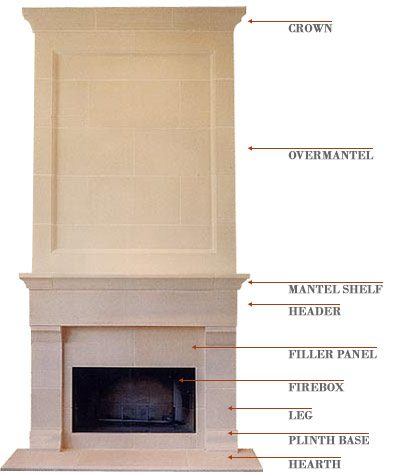
Wanted to share my design with you all to have a better idea of what I'm planning on doing.

Mantel: The horizontal shelf above the firebox, often simple with clean lines. For this project I'm creating a floor to ceiling fireplace breast with a big mantel with beveled facade pitched inward to make it more transitional.
Surround or Overmantel: The material framing the firebox, such as marble, limestone, or wood, providing texture and color contrast. For this project we are going to use a stone
Firebox: The actual chamber where the fire burns, usually lined with fireproof materials. In the specific case I'm working on, it has a metal mesh that covers it completely the fire box.
Hearth: The floor area in front of the firebox, which can be raised or flush with the floor, made from stone or tile.
Trim/Molding: Decorative edges around the mantel and surround that add subtle detail without overwhelming the design. In this particular design i want to keep it clean with no ornaments as the home already has a lot of it going on, that way we tone it down a bit but will add some metal trims on the edges and probably wallpaper to the walls around it to finish it off nicely and elegantly.
These components combine to create a fireplace that feels both classic and fresh, fitting well into a variety of interiors. The transitional style’s flexibility makes it a favorite among luxury home designers who want to blend comfort with sophistication.
Choosing the Right Materials and Design Elements
Material selection is crucial in fireplace design. The right materials not only enhance aesthetics but also ensure durability and safety.
Stone and marble offer timeless beauty and heat resistance.
Wood mantels add warmth but must be treated or placed away from direct heat.
Metal accents like brushed nickel or matte black can modernize the look.
Tile surrounds provide endless design options and can introduce color or pattern.
When decorating a space with a fireplace, consider how these materials interact with your existing finishes. For example, a marble surround pairs beautifully with hardwood floors and neutral walls, while a brick surround might suit a more rustic or industrial vibe.
As a designer with fireplace design experience, I emphasize the importance of coordinating materials with the room’s overall palette and texture to create harmony.

How a Fireplace Enhances the Ambiance of a Room
A fireplace does more than provide heat. It creates atmosphere and invites people to gather, relax, and enjoy the space.
Visual warmth: The flicker of flames adds movement and life to a room.
Focal point: It naturally draws attention and organizes furniture placement.
Comfort: The presence of a fireplace makes a room feel cozy, even in large or open spaces.
Style statement: A well-designed fireplace reflects your taste and elevates the interior design.
In homes with high ceilings, the fireplace helps reduce the feeling of vastness by adding a grounded, human scale element. It encourages social interaction and can even increase property value when done thoughtfully.
Final Thoughts on Fireplaces in High-Ceiling Interiors
Fireplaces remain one of the most impactful features in interior design. Their ability to combine function and beauty makes them essential in creating inviting, stylish spaces. For high-ceiling rooms, fireplaces must be carefully designed to match the scale and style of the home. The transitional style fireplace offers a versatile and elegant solution that fits many tastes and settings.
If you are searching for interior design near you or you just want the knowledge to be able to work on integrating a fireplaces seamlessly in your home, consider the elements discussed here. From material choices to layout tips, fireplaces can transform your space into a warm and memorable environment.
Explore your options, think about how a fireplace can anchor your room, and bring that unique touch that only a well-designed fireplace can provide.
If you think you need a bit more help than just the tips I leave here for you, let us know and we can schedule a hourly consultation or help you make sense of your whole space with a full design approach.
We are just a call away.
Best of luck with your project, and I hope all this information is helpful to you.
Truly Yours,

Daniella Acuna M.
Interior Designer / Interior design Blogger


Comments